Address
304 North Cardinal
St. Dorchester Center, MA 02124
Work Hours
Monday to Friday: 7AM - 7PM
Weekend: 10AM - 5PM
Address
304 North Cardinal
St. Dorchester Center, MA 02124
Work Hours
Monday to Friday: 7AM - 7PM
Weekend: 10AM - 5PM
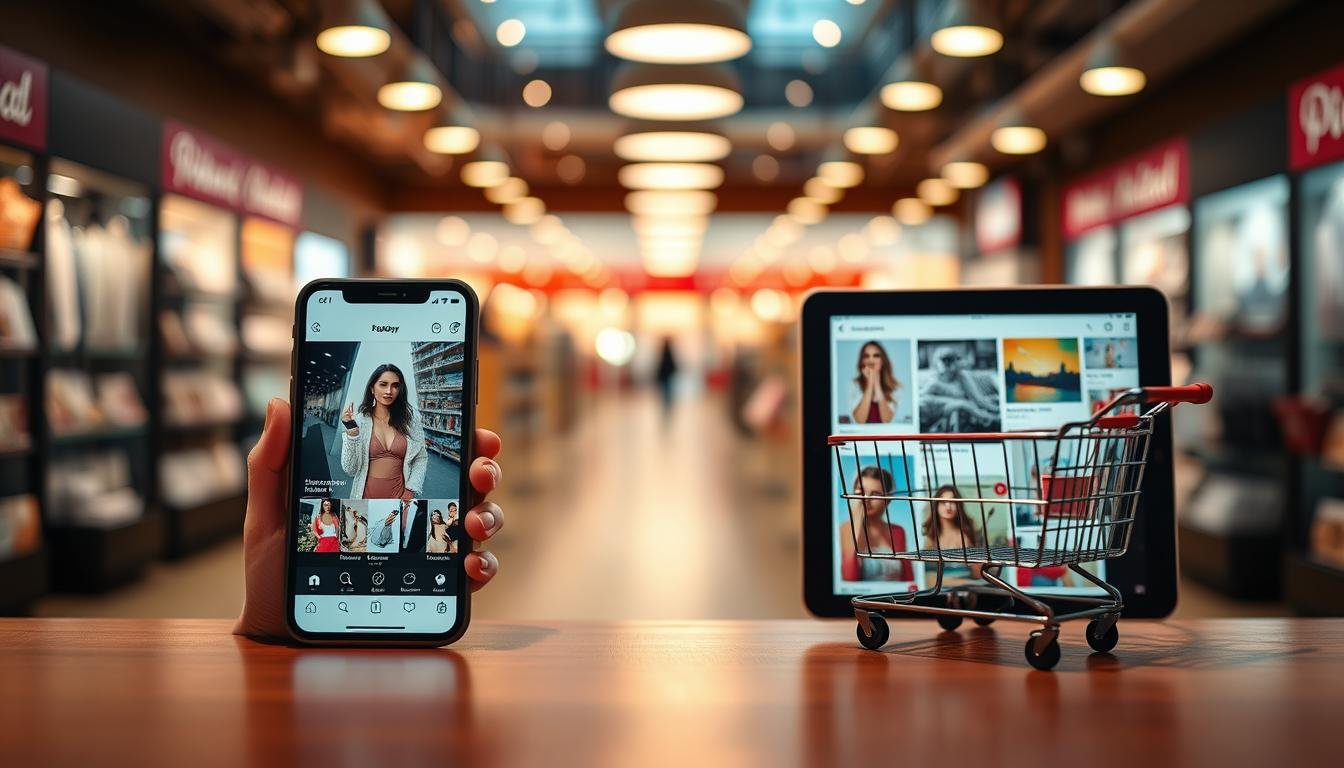
Did you know over 70% of online shoppers find new products on social media? As a business owner, you know how crucial social media is for ecommerce. Instagram and Pinterest are two big names in online shopping.
Both platforms have millions of users, offering great chances to increase online sales. But, which one is better for your ecommerce goals? We’ll look at each platform’s strengths and weaknesses to help you choose.
Exploring online selling starts with knowing ecommerce basics. Ecommerce means buying and selling things over the internet. It has changed how businesses work, letting them sell to people all over the world easily.
Ecommerce covers many things like online shopping, digital payments, and banking. It’s about using digital tools to help buyers and sellers. This includes sales between businesses and consumers, and even between people themselves.
The main features of ecommerce are:
In today’s world, ecommerce is key for businesses to succeed. It’s important in several ways:
As ecommerce keeps changing, it’s crucial for businesses to keep up. Knowing ecommerce basics helps you understand online selling better. It also helps you make smart choices about your digital marketing.
Instagram is a visually-driven platform that offers a great chance for eCommerce brands. It has grown a lot, with features that help businesses grow online.
Instagram is great for eCommerce thanks to its features. Shopping Tags let businesses tag products in posts and stories. This makes it easy for customers to buy from the app. Instagram Stories and Reels offer different ways to connect with people.
Instagram focuses on visuals, which helps businesses show products in lifestyle settings. This makes it easier for people to see how products work and their value. A social media expert says, « Instagram’s visual focus lets brands share their story in a fun and personal way. »
« Instagram’s mix of eCommerce and social media has changed how businesses talk to customers. »
Knowing who uses Instagram is key for eCommerce. The platform attracts a wide age range, especially 18 to 34-year-olds. This age group loves to shop online.

How much people interact with Instagram is important for eCommerce. The platform’s visual style makes people want to like, comment, and save posts. Businesses can get more engagement by making content that people love. They can use influencer partnerships and campaigns that feature user content.
By using Instagram’s features, understanding its users, and focusing on engagement, eCommerce businesses can grow online and increase sales.
Pinterest is a great place for eCommerce brands to shine. It’s all about finding and saving ideas. This makes it perfect for showing off products in a way that catches customers’ eyes.
Pinterest stands out with its key features for eCommerce. These include:
Knowing who uses Pinterest is key for eCommerce. Pinterest users are mostly young, with more women than men. A big chunk of users are between 25-44 years old. This makes Pinterest great for reaching millennials and Gen Z.
Pinterest users are very active, always looking for new content. This is a big chance for eCommerce to connect with people. By making content that speaks to users, businesses can get more eyes on their site.
To stand out in the crowded ecommerce space, businesses must focus on high-quality visual content. Visual elements are key in grabbing potential customers’ attention and boosting sales. We’ll look at the importance of top-notch imagery and the role of video content in your ecommerce strategy.
High-quality imagery is vital for showcasing products in the best way. It builds trust by offering a clear view of what you’re selling. Here are some tips for using high-quality imagery effectively:
Case Study: A fashion ecommerce brand saw a 25% increase in sales after using high-quality imagery, including lifestyle shots and detailed product views.

Video content is key in ecommerce, offering a dynamic way to show products and share brand stories. Here are some strategies for using video content effectively:
| Content Type | Purpose | Benefits |
|---|---|---|
| High-Quality Imagery | Showcase products in detail | Increased trust, better product understanding |
| Video Content | Engage customers dynamically | Improved engagement, increased conversions |
By adding these visual content strategies to your ecommerce platform, you can boost customer engagement, build loyalty, and drive sales.
Instagram is a great place for eCommerce brands to advertise. It lets you reach more people and boost sales. As a business owner, you can use Instagram’s ads to grow your audience.
Instagram has many ad formats to help you meet your marketing goals. You can pick from photo ads, video ads, carousel ads, and story ads. Each type grabs attention in its own way.
Instagram ads can link directly to your website or online store. This makes it simple for people to buy from you.
Instagram’s targeting lets you find your perfect customer. You can target by demographics, interests, and more. This way, your ads reach people who are most likely to buy.
With Custom Audiences and Lookalike Audiences, you can get even more specific. You can find new users who might be interested in what you offer.
Many brands have found success with Instagram ads. Fashion brands show off their products to boost sales. Beauty brands use video ads and stories to share tutorials and product demos.
A famous fashion retailer increased sales by 25% with Instagram’s carousel ads. They showcased their new collection and saw a big jump in sales.
By using Instagram’s ads wisely, you can make campaigns that really work for your business.
Pinterest is a great tool for businesses to advertise. It lets them show off their products in a fun and engaging way. This makes it easy to reach the right people.

Pinterest has many ad formats to fit different needs. You can use Standard Pins, Video Pins, and Carousel Ads, among others. Each one helps businesses meet their marketing goals, like getting more traffic or sales.
Pinterest Ads also have cool features. For example, Shopping Ads let you tag products in your pins. This makes it easy for people to buy from your ads. Plus, Promoted Video Pins help tell stories about your products or services.
Pinterest Ads are great because they can target specific groups. You can choose based on demographics, interests, and keywords. This means your ads will only show to people who might be interested.
Pinterest also has retargeting capabilities. This lets you reach people who have looked at your website or ads before. It’s a good way to get them to come back and buy.
Many brands have seen big wins with Pinterest Ads. For example, Jetsetter and Allbirds got a lot more website traffic and sales. They used Pinterest’s special ad formats and targeting to find their audience.
By using Pinterest Ads, businesses can boost their online sales and marketing. Whether you want to sell more, get more people to know your brand, or show off new products, Pinterest Ads are a strong choice.
The fight for top spot in eCommerce between Instagram and Pinterest is all about how users feel and interact. Knowing what each platform does well and not so well is key.
Instagram is perfect for businesses that love visuals. You can tag products in posts and stories, making it simple for people to buy from you. The shopping feature lets users check out without leaving the app, making shopping smoother.
Key Features of Instagram Shopping:
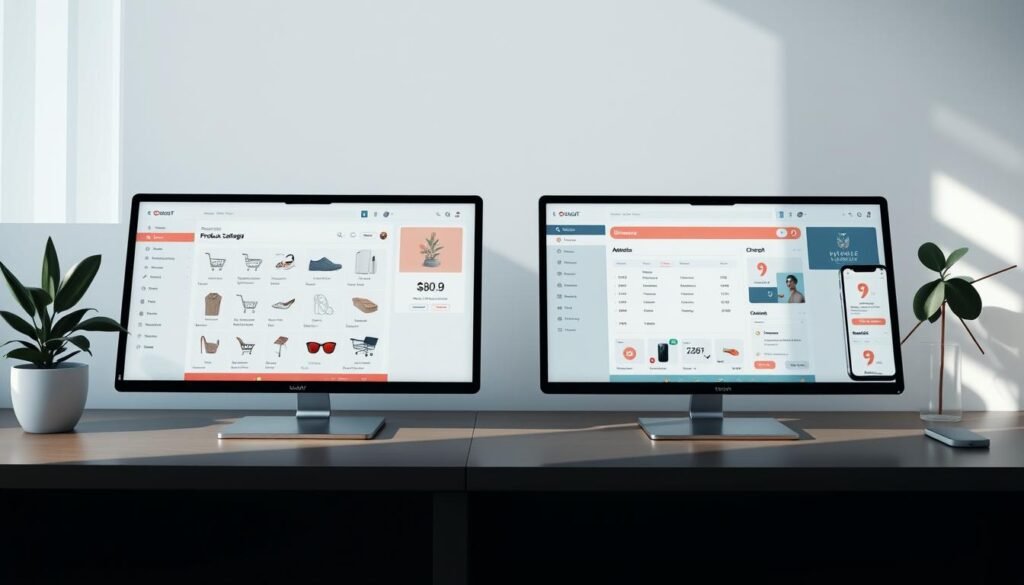
Pinterest is all about finding new things, including products. Your store can shine with Rich Pins, which add extra details like price and availability. This helps shoppers understand more about what they’re looking at.
Key Features of Pinterest Shopping:
Knowing how people use these platforms helps you improve your online store. This way, you can make shopping better for your customers.
Getting your message to the right people is key to success on social media. Instagram and Pinterest have tools to help you do this. Knowing how to use these tools is important for reaching more people and making sales.
Instagram has many tools to help you find the right audience. You can target people by their age, interests, and more. Instagram’s tools include custom audiences, lookalike audiences, and interest-based targeting. This lets you show ads to people who are most likely to be interested.
You can target people who have shown interest in similar things or who have interacted with your brand before. This way, your ads are seen by people who are likely to be interested in what you offer.
Pinterest also has tools to help you find your ideal customer. You can target people by keywords, demographics, and interests. Pinterest’s tools include keyword targeting, interest targeting, and audience targeting. This lets you connect with people who are looking for products like yours.
Pinterest’s tools are great because you can target people based on what they search for. This means you can reach people who are actively looking for what you offer.
| Targeting Feature | ||
|---|---|---|
| Custom Audiences | Yes | Yes |
| Lookalike Audiences | Yes | No |
| Keyword Targeting | No | Yes |
| Interest-Based Targeting | Yes | Yes |
Using these tools on Instagram and Pinterest can make your marketing better. Knowing what each platform does best will help you make your strategy work better.
To make the most of your eCommerce, it’s key to explore Instagram and Pinterest analytics. These insights can help you tweak your marketing, boost engagement, and increase sales.
Instagram Insights gives you a lot of info about your account’s performance. Keep an eye on engagement rates, reach, and profile visits. These numbers show how your content is doing and if your marketing is working.
A high engagement rate means your content hits the mark with your audience. But, a low reach might mean fewer people see your posts. Use these insights to tweak your strategy and do better on Instagram.
Pinterest Analytics offers valuable data on your Pins’ performance. Focus on impressions, clicks, and save rates. These metrics tell you if your Pins are effective and if they’re sending people to your site.
For instance, if some Pins get more saves, make more like them. This can boost engagement and sales.
| Metric | ||
|---|---|---|
| Engagement | Likes, Comments, Shares | Saves, Clicks |
| Reach | Profile Visits, Follower Growth | Impressions |
| Conversion | Link Clicks, Sales through Instagram Shopping | Clicks through to your website |
By watching these metrics on Instagram and Pinterest, you’ll get to know your audience better. This data-driven approach will make your marketing better and increase your profits.
To boost eCommerce sales, it’s key to look at conversion rates on Instagram and Pinterest. Knowing how these platforms work helps you make better sales plans.
Many things affect how well these platforms convert users. These include the quality of visuals, the power of calls-to-action (CTAs), and how easy it is to shop on the platform.
When looking at sales on Instagram and Pinterest, it’s important to see what each does best. Instagram has a huge user base and lots of ad options. Pinterest is known for its users wanting to buy things.
| Platform | Average Conversion Rate | Key Strengths |
|---|---|---|
| 2.5% | Vast user base, diverse ad options | |
| 3.2% | High purchase intent, visual discovery |
Pinterest has a higher average conversion rate than Instagram. This is because Pinterest users are more likely to buy things.
Understanding these points helps you improve your eCommerce plans. Focus on top-notch visuals and use each platform’s strengths to boost your sales.
Selling on Instagram means knowing the platform’s best practices. With millions of users, it’s a big market for ecommerce. To succeed, optimize your profile and connect with your followers.
Your Instagram profile is your first chance to impress potential customers. Make sure it’s complete. Include a clear profile picture, a concise bio with keywords, and a link to your website or online store.
Use high-quality visuals and keep your look consistent. Instagram’s shopping feature lets you tag products in posts and stories. This makes it easy for customers to buy from you.
Engagement turns followers into customers. Always respond to comments and messages quickly. This builds trust and rapport.
Use Instagram Stories and Reels for behind-the-scenes content, sneak peeks, and exclusive deals. This keeps your audience interested.
As an ecommerce expert says, « Instagram’s visual-centric platform lets brands tell their story in a way that connects with their audience. » (
Instagram is a powerful tool for ecommerce businesses, offering a unique blend of visual storytelling and direct shopping capabilities.
)
By having a strong profile and engaging with followers, you can make the most of Instagram for ecommerce. Focus on creating a compelling visual identity and building a community around your brand.
To sell well on Pinterest, you need more than just posting products. You must have a good strategy. This means making pins that grab attention and talking to potential buyers.
A great pin strategy is essential. It needs high-quality images and relevant keywords in descriptions. Your pins should look good and be easy to find.
To make a strong pin strategy:
Engaging with users is vital for a loyal customer base. Answer comments on your pins and interact with others by commenting on their posts. This builds a community around your brand.
| Engagement Strategy | Description | Benefit |
|---|---|---|
| Responding to Comments | Reply to user comments on your pins. | Builds customer trust and loyalty. |
| Commenting on Other Pins | Engage with other users’ content. | Increases brand visibility. |
| Using Pinterest Stories | Share behind-the-scenes content or sneak peeks. | Enhances user engagement. |
By using these strategies, you can boost your sales on Pinterest. The most important thing is to stay consistent and keep your approach engaging.
Now that we’ve looked at Instagram and Pinterest for eCommerce, it’s time to decide for your business. Think about your target audience and what content they like.
Check if your products fit Instagram’s fast-paced, visual vibe or Pinterest’s focused shopping scene. Also, think about your social media marketing goals. See how each platform can help you meet them.
If you’re great at making short, engaging content, Instagram might be for you. But if your products are perfect for a platform where people search for ideas and products, Pinterest is better. Knowing your audience and goals will help you choose.
Instagram is great for businesses with a strong visual brand. Pinterest is perfect for those who want to help users find products and ideas. Instagram’s Stories and Reels are great for interacting with your audience. Pinterest’s focus on long-term content and shopping ads can boost sales over time.
Think about your target audience and products. If your products look good and you have a strong brand, Instagram might be best. Pinterest is better for DIY, home decor, or fashion items. Choose the platform that fits your content strategy and marketing goals.
Yes, using both platforms can help diversify your strategy. You can reach different parts of your audience and increase sales. Tailor your content and ads to each platform’s unique features and user behaviors.
Use the analytics tools from each platform to track important metrics. Instagram Insights and Pinterest Analytics can help. You can also use third-party tools for a deeper understanding of your performance.
Focus on high-quality visuals and clear messaging. Use Instagram’s Shopping and Stories to drive sales. Pinterest’s Shopping Ads and Product Pins are great for promoting products. Test different ad formats and targeting to improve your ad performance.
Create high-quality content and engage with your audience. Use the advertising options on both platforms. Monitor your analytics to understand your audience’s behavior. Stay updated with the latest trends and best practices to maximize your ecommerce potential.
Instagram’s Shopping feature makes it easy for customers to buy from you. It can increase sales and enhance the shopping experience. Use Shopping to promote your products and reach more people.
Pinterest’s content can drive sales over time. Create high-quality, relevant, and keyword-optimized pins. Regularly update your content to keep your audience engaged and attract new followers.