Address
304 North Cardinal
St. Dorchester Center, MA 02124
Work Hours
Monday to Friday: 7AM - 7PM
Weekend: 10AM - 5PM
Address
304 North Cardinal
St. Dorchester Center, MA 02124
Work Hours
Monday to Friday: 7AM - 7PM
Weekend: 10AM - 5PM

Are you thinking about starting a online store? It’s easier than you might think. With the right help, you can build a successful ecommerce business.
To begin, you need to know the basics of ecommerce. You must find your niche and make a solid business plan. These steps will help you create a successful web store.
This guide will show you how to start your ecommerce journey. You’ll learn what it takes to succeed in the online market.
Starting an e-commerce journey means knowing the basics. These basics are key to understanding online stores. They help you move through the digital market smoothly.
E-commerce is about buying and selling online. It covers many areas, like retail and digital services. E-commerce website creation is the first step to show your online presence.
There are many types of online stores. Each one meets different business needs. The main types are:
Knowing these types is key to picking the right online store setup for you.
Learning e-commerce terms is important. It helps you make smart choices. Some key terms are:
Knowing these terms is crucial for a successful steps to launch an online store. By understanding these basics, you’ll be ready to tackle the e-commerce world.
Finding the right niche is key to your online store’s success. It’s about understanding your audience, looking at the competition, and finding what makes you unique.
Market research is vital for knowing your audience and their needs. You can use:

It’s important to know your competition to stand out. You should:
This helps you find a unique spot in the market.
Your Unique Selling Proposition (USP) is what makes you different. To find it, you need to:
| USP Element | Description | Example |
|---|---|---|
| Unique Product Feature | A feature that is not offered by competitors. | Eco-friendly packaging. |
| Exceptional Customer Service | Service that exceeds customer expectations. | 24/7 Customer Support. |
| Competitive Pricing | Pricing strategy that is more attractive than competitors. | Price match guarantee. |
By focusing on a specific niche and having a strong USP, you can build a successful online store. This will attract and keep customers.
A good business plan is the base of your e-commerce business. It shows your strategy, goals, and how to succeed online.
A solid business plan has several key parts. These are:
Each part is important for a detailed and effective plan.
Setting clear goals is key to tracking your progress and staying focused. Your goals should be:
SMART goals help you make a roadmap for your business. It’s motivating and easy to follow.
Financial planning is crucial for your business plan. It shows if your business can make money and helps you make smart choices. When planning finances, think about:
Good financial planning keeps your online store running well and ready to grow.
The success of your online store depends on picking the right e-commerce platform. There are many options, so it’s key to choose based on what you need.
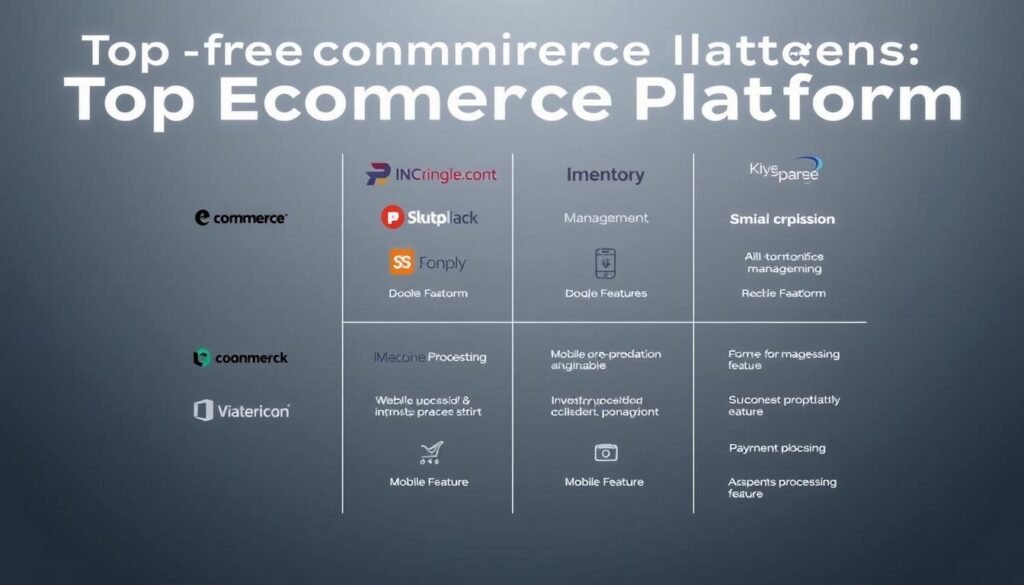
Platforms like Shopify, WooCommerce, and BigCommerce have different features. Shopify is easy to use and has a big app store. WooCommerce is flexible and works well with WordPress. BigCommerce has lots of features without needing extra apps.
When starting a web store, think about what each platform offers. For example, WooCommerce is great for customisation. Shopify is best if you want something easy to use.
When picking an e-commerce platform, look at these key features:
Looking at these features helps you choose the right platform for your business.
Choosing between self-hosted and hosted solutions is a big decision. Self-hosted solutions, like WooCommerce, give you control but more work. You handle maintenance and security.
Hosted solutions, like Shopify, handle hosting for you. It’s easier to set up but less flexible. Knowing the pros and cons helps you choose what’s best for your business.
For beginners, it’s important to think about these factors. Consider your skills, budget, and future plans when deciding between self-hosted and hosted platforms.
Setting up a digital storefront means making key decisions about your products. You need to find high-quality items to sell. This ensures you stay competitive in the market.
You can choose between manufacturing and dropshipping to source products. Manufacturing lets you control quality and costs. Dropshipping means products are shipped directly to customers without you holding inventory.
Manufacturing offers control but requires a big investment upfront. Dropshipping lowers costs but might affect quality and shipping times.
Finding good suppliers is key, whether you manufacture or dropship. You need suppliers who deliver quality products on time and at a fair price. Research them well, looking at their reputation, product quality, and service.
Setting competitive prices is crucial for attracting and keeping customers. You must balance making a profit with staying competitive. Consider production, shipping, and market conditions when pricing.
To price right, do the following:
The design of your online store is key to attracting and keeping customers. A good design makes your store look great and easy to use. This encourages visitors to explore and buy.
User experience (UX) is vital for your online store’s success. It includes how easy it is to navigate, the content, and how users interact with your site. A great UX means visitors can find what they need easily, leading to more sales and happy customers.
Picking the right theme or template is essential. It should be clean, easy to use, and match your brand. Most e-commerce sites have many themes you can change to fit your needs.
Think about these when picking a theme:

Most people use mobiles to browse the web. So, it’s important that your online store works well on mobiles. A mobile-responsive design adjusts to different screen sizes, giving your customers the best experience.
To make your site mobile-friendly:
Your online store’s payment setup is key to a good shopping experience. A well-set payment system boosts trust and makes checkout smoother. This can lead to more sales.
There are many payment processors out there, each with its own perks. PayPal, Stripe, and Square are some of the most popular. When picking one, think about fees, how easy it is to set up, and customer support.

Keeping your payment system safe and up to code is essential. You must follow PCI-DSS (Payment Card Industry Data Security Standard) if you handle credit card info. This means using strong security, like encryption, and doing regular checks to keep customer data safe.
Make your checkout easy to avoid losing customers. Shorten the steps, offer guest checkout, and show the total cost clearly. A smooth checkout boosts happiness and can lead to more sales.
Choosing the right payment options and improving checkout can make shopping easy for your customers. This builds trust and encourages them to come back.
Strong marketing strategies are key to your online store’s success. They help you stand out in a crowded market. Good marketing brings visitors to your site and turns them into loyal customers.
SEO is crucial for making your online store more visible on search engines like Google. By optimising your site’s content and structure, you can climb the rankings. This brings more organic traffic to your site.
Use relevant keywords, like creating a successful online shop and online store launch tips, in your product descriptions and meta tags. To boost your SEO, create engaging content that meets your audience’s needs. This includes blog posts, product reviews, and buying guides.
Make sure your site is easy to use on mobile devices and loads quickly. These factors also affect your search engine rankings.
Social media is a great way to find new customers and connect with existing ones. By being active on platforms like Facebook, Instagram, and Twitter, you can promote your products and share behind-the-scenes content. This helps build a community around your brand.
Use social media analytics to see how well your efforts are doing. Adjust your strategies based on the data. Running targeted ad campaigns on social media can also help drive traffic to your store. Engage with your followers by responding to comments and messages quickly.
Email marketing is a powerful tool for nurturing leads and encouraging repeat business. By building an email list and sending regular newsletters, you can keep customers updated on new products and promotions. Personalise your emails to meet the individual needs of your subscribers.
To make your email marketing better, focus on catchy subject lines and clear content. Include strong calls-to-action (CTAs) to encourage site visits. Keep an eye on your email open rates, click-through rates, and conversion rates to improve your strategies over time.
To keep your online store running well, you need to get good at managing stock and shipping. Doing this right can make customers happier and save you money.
It’s key to have a strong system for managing your stock. This lets you keep track of what you have and avoid selling out. You can use special software to watch your stock levels, set up automatic orders, and make reports easier.
Some important ways to manage stock include:
Choosing the best way to handle orders is important for fast and affordable delivery. You can either do it yourself or use a third-party service. Each choice has its own benefits and drawbacks, depending on your business size and resources.
When picking a fulfillment method, think about:
It’s crucial to know about shipping costs and rules to set clear expectations with customers and keep costs down. You should look at different shipping options and include these in your prices.
To cut shipping costs, you can:
By managing your stock and shipping well, you can make customers happier, save money, and help your online store grow.
Excellent customer service is key for a successful online store. It’s important to focus on building a strong support system. This helps build loyalty and encourages customers to come back.
Customer support is crucial because it affects how happy customers are and if they’ll come back. Quick and effective responses to questions and problems can make shopping better. This can lead to good reviews and word-of-mouth, which helps your store grow.
To do well, use a variety of support channels. This could be live chat, email, or phone. Let customers pick how they want to get help.
There are many tools and platforms to help with customer support. Some popular ones include:
Picking the right tool depends on what your business needs and how much support you want to offer.
A clear return policy is key for managing customer expectations and avoiding disputes. When making your return policy, think about these points:
| Policy Element | Description | Best Practice |
|---|---|---|
| Return Window | Specify the time frame within which returns are accepted. | Clearly state the number of days (e.g., 30 days). |
| Return Conditions | Outline the condition in which items must be returned. | Specify if items must be unused, in original packaging, etc. |
| Refund Process | Describe how refunds will be processed. | Indicate the method of refund (e.g., original payment method). |
Having a clear and fair return policy builds trust with your customers. This makes them more likely to buy from your online store.
To keep your online store thriving, it’s key to check its performance often. This way, you spot areas that need work and make smart choices to boost your store’s success.
Watching metrics like conversion rates and average order value gives you important info. It helps you tweak your digital storefront setup for better results.
Tools like Google Analytics are great for collecting and understanding data. They let you see what your customers like and what they struggle with. This helps you tailor their shopping experience.
Using data to guide your decisions can really help your business grow. By applying tips for launching an online store and adjusting your plans, you can stay ahead in the e-commerce world.
To start an online store, first find your niche. Then, make a business plan. Next, pick an e-commerce platform.
After that, find your products and design your store. Set up payment methods and use marketing strategies.
When picking a platform, think about ease of use and customisation. Also, consider payment gateways and app integrations. Shopify, WooCommerce, and BigCommerce are good options.
Self-hosted solutions mean you host your store on your server. This gives you control. Hosted solutions are on the provider’s servers, making it easier to use and maintain.
To keep your payments safe, follow industry standards like PCI-DSS. Use trusted payment processors like PayPal or Stripe. Also, use SSL certificates for security.
Good marketing includes SEO, social media, and email marketing. These can boost traffic and sales.
To manage inventory well, track stock levels and use inventory software. Choose the right fulfillment method, whether in-house or outsourced.
Track conversion rates, average order value, and customer acquisition costs. These metrics help understand your store’s performance and guide decisions.
To boost customer satisfaction, offer great customer service. Respond quickly to questions and solve problems fast. Have a clear return policy. Use tools like live chat and email support.