Address
304 North Cardinal
St. Dorchester Center, MA 02124
Work Hours
Monday to Friday: 7AM - 7PM
Weekend: 10AM - 5PM
Address
304 North Cardinal
St. Dorchester Center, MA 02124
Work Hours
Monday to Friday: 7AM - 7PM
Weekend: 10AM - 5PM

Facebook has over 2.7 billion users every month. It’s a key place for your online shopping business to find its audience. But, it’s hard to stand out in the digital world.
Did you know the right time to post can really help your digital storefront get noticed? Studies show that when you post matters a lot for your Facebook success.
In this article, we’ll look at the best times to post on Facebook. This will help your ecommerce business get more engagement. You’ll sell more and grow your online presence.
Getting to know Facebook’s algorithm is crucial for boosting your eCommerce engagement. This algorithm decides what posts you see on your feed. It’s a complex system.
It looks at many things, like the type of content and when you posted. For internet retail businesses, just posting isn’t enough. You need to know how to make the algorithm favor you.
The algorithm changes how visible your posts are. If your content is engaging, it shows up more in feeds. But if it’s not, it might get lost.
To get more visibility, make high-quality, engaging content. Use interesting visuals, ask questions, or start discussions.
Engagement metrics like likes, comments, and shares are key. For electronic commerce businesses, high engagement means more people see your web store.
| Engagement Metric | Impact on Algorithm |
|---|---|
| Likes | Indicates content relevance |
| Comments | Boosts engagement and visibility |
| Shares | Extends content reach beyond immediate audience |
By focusing on these metrics and creating interactive content, you can get more people to visit your online store.
In the fast-paced world of online retail, the timing of Facebook posts is key. As an e-commerce business owner, you must know how to use Facebook’s vast user base. Posting at the right time can lead to increased visibility, higher engagement, and ultimately, more sales.

The virtual marketplace is highly competitive, with many businesses competing for attention. For e-retail businesses, the timing of Facebook posts is crucial. By posting when your audience is most active, you can increase the likelihood of your content being seen and engaged with.
Recent studies show that the timing of social media posts greatly impacts engagement rates. For e-commerce businesses, this means that posting at optimal times can lead to more likes, shares, and comments on their Facebook content.
For online stores, the ultimate goal of posting on Facebook is to drive sales and revenue. Research has shown a strong correlation between the timing of Facebook posts and sales. By posting at times when your audience is most likely to be shopping, you can increase the chances of converting engagement into sales.
Industry experts agree, « Timing is everything in e-commerce, and Facebook posting is no exception. » This highlights the importance of understanding your audience’s behavior and adjusting your posting schedule accordingly.
« The key to success on Facebook is understanding your audience and posting content that resonates with them at the right time. »
For eCommerce businesses, knowing the best days to post on Facebook is key. The question is, should you post on weekdays or weekends? This affects how well you reach your audience.
Studies show that weekdays have higher engagement rates. This is because people are online more during work hours and breaks. But, weekends can also work well. People are more relaxed and might spend more time browsing and interacting with content.
It’s important to know who your audience is. If they are professionals, posting on weekdays might be better. But, if they enjoy their weekends, posting then could be more effective.
While weekdays are generally better, Thursday and Friday are especially good. These days are great for building excitement before the weekend. They can lead to more people engaging with your content.
By focusing on these days and making your content fit your audience’s likes, you can boost your online store’s visibility. This can lead to more sales through smart Facebook posting.
When you post on Facebook can really make a difference in your online store’s success. Knowing when your audience is most active helps you post at the best times. This way, you can reach more people and get more engagement.
Studies show that mornings are a great time for Facebook engagement. Posting between 8 AM and 12 PM can get more people interacting. This is because they’re checking their feeds during their morning breaks or on their way to work.
For your online store, morning posts can bring in a lot of traffic. This could lead to more sales. To make the most of morning engagement, share content that’s both interesting and visually appealing. Use eye-catching graphics or promotional offers to grab your audience’s attention.
While morning posts get things started, afternoon and evening posts keep the momentum going. Posting between 1 PM and 3 PM catches users during their lunch breaks. Evening posts from 7 PM to 9 PM reach people unwinding after their day.
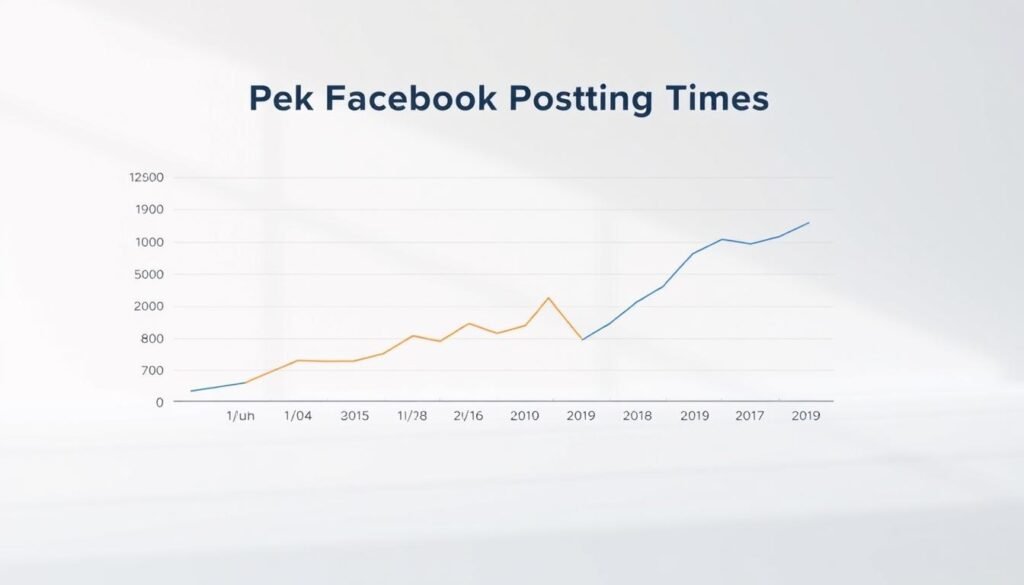
| Time of Day | Potential Engagement | Recommended Content |
|---|---|---|
| 8 AM – 12 PM | High | Promotions, New Arrivals |
| 1 PM – 3 PM | Moderate to High | Interactive Content, Polls |
| 7 PM – 9 PM | Moderate | Storytelling, Behind-the-Scenes |
By using these peak times, you can boost your online shopping presence. This leads to more sales through smart Facebook posting.
Understanding your Facebook page’s performance through Facebook Insights can boost your eCommerce success. This tool helps you understand your audience better. It also lets you optimize your posting schedule for more engagement.
To get to Facebook Insights, go to your Facebook page and click on « Insights. » This tab gives you a detailed look at your page’s performance. You’ll see metrics on engagement, reach, and audience demographics.
When looking at Facebook Insights, there are key metrics to watch for e-retail success. These include:
| Metric | Description | Importance for eCommerce |
|---|---|---|
| Engagement Rate | Measures likes, comments, and shares on your posts. | High engagement shows your content is relevant. |
| Reach | The number of people who viewed your posts. | Helps understand your content’s visibility. |
| Audience Demographics | Provides insights into your audience’s age, location, and interests. | Essential for tailoring content to your target audience. |
By focusing on these metrics, you can refine your eCommerce strategy. This improves your digital storefront’s performance.
As Facebook notes, « Insights helps you understand how people interact with your Page and the content you post. » Using Facebook Insights well lets you make data-driven decisions. This enhances your eCommerce engagement and online presence.
Your success on Facebook depends on knowing your audience well. By looking at demographics, you learn about their likes, habits, and what they want. This helps you make content they’ll love.
Knowing who you’re talking to is key for Facebook success. You need to know their age, where they live, what they like, and how they act online. For example, if you sell clothes, knowing your audience’s age and gender helps you make content they’ll enjoy.
Key demographics to consider include:
With a clear idea of your audience, you can make content just for them. For example, if most of your audience is young adults, make your content fun and eye-catching.
| Demographic Group | Content Strategy | Example |
|---|---|---|
| Young Adults (18-24) | Engaging visuals, interactive content | Polls, quizzes, short videos |
| Adults (25-44) | Informative content, lifestyle-oriented | Blog posts, lifestyle tips, product showcases |
| Older Adults (45+) | Simple, straightforward content | Clear product information, customer testimonials |
By making content for different groups, you can get more people to engage and buy from your online store. The secret is to really get to know your audience and make content that talks to them.
To boost engagement for your eCommerce business, try different posting times. See when your audience likes your content most. This can help increase sales and improve your online image.

A/B testing compares two post versions to find the best one. For your web store, it means testing when to post. This helps figure out when your audience is most active.
To do A/B testing right, focus on one thing at a time. For example, test posting times to see which gets more engagement. Post the same thing at different hours or days to see what works best.
Tips for A/B Testing:
After testing, analyze your results to adjust your schedule. If your posts do better at certain times, plan your content calendar around those times. This boosts visibility and engagement.
For example, if your tests show morning is best, post your key content then. If some times are slow, try different content or avoid those times.
Keep watching your performance and tweak your strategy. This way, you can tailor your schedule to your audience’s needs. It helps drive more sales for your eCommerce business.
Crafting compelling content is key to grabbing your audience’s attention in the virtual marketplace. Your eCommerce business must stand out by making content that speaks to your audience.
It’s vital to focus on quality over quantity in your Facebook posts.
Creating high-quality content means making posts that are engaging, relevant, and valuable. These posts should meet your audience’s needs and interests. This boosts your brand’s credibility and encourages meaningful interactions.
Key characteristics of high-quality content include:
By focusing on quality, you can build a loyal following. This following will engage with your content and help drive sales for your e-retail business.
Using engaging visuals and captions is crucial to stand out in a crowded digital storefront. Visuals like images, videos, and infographics can increase engagement by making your content more shareable and memorable.

Captions should enhance your visuals by providing context and encouraging interaction. A well-written caption can spark discussions, ask questions, or drive traffic to your website.
Here’s an example of how to structure your content for maximum engagement:
| Content Type | Visual Element | Caption Strategy |
|---|---|---|
| Product Showcase | High-quality product image | Ask a question about the product |
| Behind-the-Scenes | Video or photo series | Share a story or anecdote |
| Promotions or Sales | Eye-catching graphics | Create a sense of urgency |
By combining engaging visuals with effective captions, you can craft a compelling content strategy. This strategy will drive engagement and sales for your eCommerce business.
Using social media tools for scheduling helps eCommerce brands manage their content better. These tools let you plan and schedule posts ahead of time. This saves you time and keeps your content consistent.
For eCommerce brands, some social media tools stand out for Facebook presence. Hootsuite and Buffer are great for scheduling posts and tracking how well they do. They work with many social media sites.
Sprout Social has more advanced features like listening to what people are saying online. It also helps with customer service. Choose a tool that fits your needs, like scheduling, tracking, and working with your online store.
Scheduling your Facebook posts can boost engagement. It makes sure your content is seen when your audience is most active. Look at your Facebook Insights to find the best times to post.
Posting at the right times can increase engagement and keep your brand’s voice and look consistent. Scheduling tools also let you share your best content again. This keeps your posts engaging over time.
By using these tools, you can improve your content strategy. This makes your online store more visible and can lead to more sales. It’s all about effective Facebook engagement.
To make your Facebook posting better for your electronic commerce business, it’s important to analyze your campaigns. Knowing what works and what doesn’t helps you improve. This way, you can sell more through your web store or digital storefront.
It’s crucial to measure engagement after your campaigns. Look at likes, comments, shares, and click-through rates. This data shows you what’s working and what needs tweaking.
Use what you learn from your data to tweak your posts. Adjust your schedule, content, and who you target. Keeping your strategy sharp is essential for a strong online presence and sales.
By checking your performance often and making smart choices, your Facebook strategy will stay on track. It will keep up with your business goals.
The best times to post on Facebook vary by audience. But, posting in the morning and early evening on weekdays often works well.
Facebook’s algorithm looks at likes, comments, and shares to decide what to show. High-quality content that your audience likes can make your posts more visible.
Yes, you can schedule posts in advance with tools like Hootsuite or Buffer. This makes planning your content easier and can boost engagement.
Use Facebook Insights to see how your page is doing. This lets you adjust your schedule to get better results for your ecommerce business.
Post engaging content like product showcases and customer testimonials. Use good graphics and captions that speak to your audience.
Posting too much can bore your audience, while too little can lead to less engagement. Find a balance by experimenting with different frequencies.
Yes, use Facebook to promote sales with targeted ads and engaging content. This can help you reach more people and increase sales.
Track engagement, click-through, and conversion rates with Facebook Insights and other tools. This helps you improve your campaigns and boost sales.